Understanding Climate Zone 5B and Denver's Unique Insulation Needs
Denver sits in climate zone 5B, characterized by cold, dry winters with temperatures regularly dropping below freezing and summers that stay moderate. This climate presents a specific challenge for homeowners: you need insulation that performs in extreme temperature swings while managing moisture in a naturally arid environment. Unlike humid climates where vapor barriers must prevent moisture intrusion, Denver's dry conditions allow for different insulation strategies, but they still demand high R-values and air sealing capabilities that traditional fiberglass simply cannot deliver.
The reality of zone 5B living means your home loses heat aggressively during winter months, and many homeowners discover their greatest energy losses occur in spaces they rarely think about: crawl spaces and pier and beam foundations. These areas sit directly exposed to outdoor temperatures, and without proper insulation, they become thermal highways for cold air to enter your home. This is where understanding the specific demands of Denver's climate becomes critical to making the right insulation investment.
Why Crawl Space Insulation Matters More Than Most Homeowners Realize
Many homeowners focus their energy efficiency efforts on attics and walls, overlooking the fact that Denver homes with crawl spaces lose significant heat through these unfinished areas. A poorly insulated or uninsulated crawl space can account for 10 to 15 percent of your home's total heat loss during winter, which translates directly to higher heating bills and uncomfortable cold floors. The problem compounds because cold air naturally rises from crawl spaces into living areas above, creating drafts and temperature inconsistencies that no amount of thermostat adjustment can fully solve.
The Denver area's dry climate actually makes crawl space insulation installation easier than in more humid regions, since moisture management becomes less complex. However, you still need the best insulation for crawl space applications, which means choosing between traditional batts, blown-in fiberglass, and modern spray foam solutions. The choice you make will affect your comfort, energy costs, and the longevity of your home's structural components for years to come.
Crawl Space Spray Foam vs. Traditional Insulation Methods
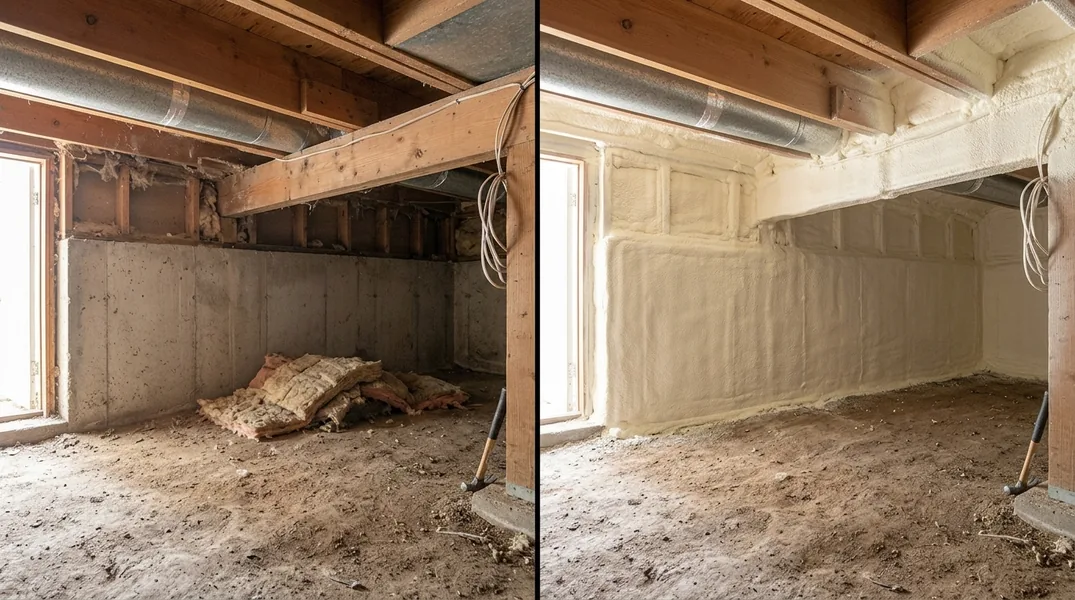
Crawl space spray foam has emerged as the superior choice for zone 5B climates because it addresses the root cause of energy loss: air leakage. While fiberglass batts provide decent R-value per inch, they leave countless small gaps where air can flow freely, especially around rim joists, pipes, and electrical penetrations. Closed Cell Spray Foam Insulation expands to fill every cavity and crack, creating an airtight seal that fiberglass cannot match. This air sealing capability is especially valuable in Denver's climate, where temperature differentials are extreme and even small air leaks compound into significant energy waste.
The performance advantage extends beyond R-value. Crawl space spray foam provides structural benefits that traditional insulation cannot offer. It adds rigidity to rim joists and band boards, helping stabilize your home's foundation. It also resists moisture and mold growth better than fiberglass, which can absorb water and degrade over time. In a climate like Denver's where temperature swings are dramatic, the durability and consistent performance of spray foam insulation makes it a long-term investment that pays dividends year after year.
Pier and Beam Insulation: The Foundation of Comfort and Efficiency
Homes built on pier and beam foundations, common in older Denver neighborhoods, face unique insulation challenges. Unlike basements, which have concrete walls that provide some thermal mass, pier and beam crawl spaces are essentially open to the elements with only wooden joists and rim boards between your living space and the outdoor air. Without proper pier and beam insulation, these homes suffer from persistently cold floors, especially in bedrooms and bathrooms located above the crawl space. Many homeowners describe this as a constant draft or chill that makes certain rooms feel uncomfortable regardless of heating system output.
The solution is targeted insulation that seals and insulates the entire underside of the home. Closed Cell Spray Foam Insulation applied to the subfloor, rim joists, and band boards creates a continuous thermal barrier that eliminates cold floors and drafts. This approach also protects the crawl space from outdoor temperature extremes, which means your heating system doesn't have to work as hard to maintain comfortable indoor temperatures. For homeowners in zone 5B with pier and beam foundations, this upgrade often results in noticeable comfort improvements and measurable energy savings within the first heating season.
Cold Floors Insulation: Reclaim Comfort in Every Room
Cold floors are one of the most common complaints from homeowners living in climate zone 5B, and they're often a symptom of inadequate cold floors insulation in the crawl space or basement rim area. When you step onto a cold tile or hardwood floor in winter, you're feeling the direct result of heat loss through your home's foundation perimeter. Traditional insulation methods struggle to address this problem because they don't create an airtight seal. Spray foam insulation, by contrast, eliminates the air leakage pathways that allow cold air to infiltrate from below, resulting in warmer floors and a more comfortable living environment throughout your home.
The impact of proper cold floors insulation extends beyond comfort. Warm floors reduce the thermal stress on your heating system, allowing it to cycle less frequently and operate more efficiently. Over a full heating season in Denver's cold climate, this efficiency gain translates into lower utility bills and reduced wear on your HVAC equipment. Many homeowners are surprised to learn that investing in quality crawl space spray foam insulation often pays for itself through energy savings within 5 to 7 years, while simultaneously improving their quality of life through better comfort.
Getting Started: Schedule Your Crawl Space Insulation Assessment
If you're a homeowner in Denver with cold floors, high heating bills, or a crawl space that's never been properly insulated, the first step is a professional assessment. Denver Spray Foam Insulation specializes in evaluating zone 5B homes and recommending the most cost-effective insulation solutions tailored to your specific situation. Whether your home needs crawl space spray foam, pier and beam insulation, or a combination approach, our team has the expertise to deliver results that make a real difference in your comfort and energy efficiency.
Ready to stop losing energy and money through your crawl space? Contact Denver Spray Foam Insulation today at (720) 235-5710 or visit our website to request a free estimate. Our team will assess your current insulation, explain your options, and provide transparent pricing so you can make an informed decision. In climate zone 5B, proper insulation isn't a luxury, it's a necessity for comfort and efficiency. Let us help you reclaim both.
Looking for a professional spray foam insulation contractor in Denver? Denver Spray Foam Insulation responds fast for all your spray foam insulation needs.
Get a Free Quote