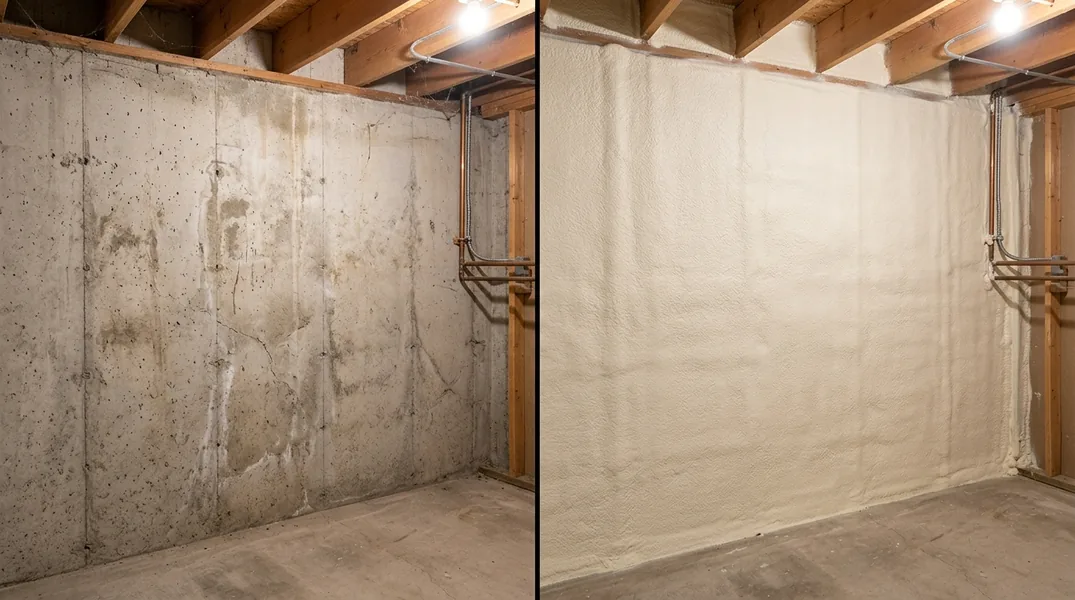
Understanding Spray Foam Attic Insulation: Open Cell vs. Closed Cell
When it comes to upgrading your home's energy efficiency, attic spray foam insulation stands out as one of the most effective solutions available to homeowners. However, choosing between open cell and closed cell spray foam can feel overwhelming if you're not familiar with the technical differences. Both types serve the same basic purpose: insulating your attic to reduce heat loss in winter and heat gain in summer. Yet they achieve these goals in distinctly different ways, each with unique advantages and considerations for Denver homes.
The key distinction lies in the cellular structure of each foam type. Open cell foam has a softer, more porous composition where the cells are not completely closed off from one another. This allows air and moisture to pass through the material more easily. Closed cell foam, by contrast, features tightly sealed cells that create a rigid, dense barrier. Understanding these structural differences is essential because they directly impact performance, cost, and suitability for your specific application.
Open Cell Spray Foam Insulation: Benefits and Best Uses
Open Cell Spray Foam Insulation is an excellent choice for many Denver homeowners, particularly those looking for a cost-effective insulation solution with strong acoustic properties. This type of foam expands significantly after application, filling cavities and gaps thoroughly while remaining flexible. Open cell foam typically has an R-value of approximately 3.5 to 3.6 per inch, meaning you'll need a slightly thicker layer to achieve the same insulation performance as closed cell alternatives.
One of the primary advantages of open cell foam is its affordability. It generally costs less per board foot than closed cell options, making it an attractive choice for budget-conscious homeowners. Additionally, because open cell foam is more permeable, it allows your attic to breathe naturally. This characteristic can be beneficial in climates where moisture management is important, as it permits water vapor to pass through rather than trapping it. The foam is also lighter in weight, which can be advantageous during installation and reduces structural load on your home.
Open cell foam performs particularly well for sound dampening, making it ideal if you're concerned about noise from outside or between rooms. However, it's worth noting that open cell foam is not a vapor barrier on its own, so additional moisture control measures may be necessary in certain applications. For attic applications in Denver, open cell can work wonderfully, especially if your primary goal is improving thermal comfort and reducing energy bills without the premium cost of closed cell options.
Closed Cell Spray Foam Insulation: Maximum Performance and Protection
Closed Cell Spray Foam Insulation represents the premium choice for homeowners seeking maximum insulation performance and comprehensive protection. With an R-value between 6 and 7 per inch, closed cell foam delivers roughly twice the insulating power of open cell alternatives. This superior performance means you can achieve your desired insulation level with a thinner application, which can be particularly valuable in space-constrained attics or when working around existing structures.
The dense, rigid nature of closed cell foam creates an exceptional moisture and air barrier. This makes it ideal for sealed attic insulation applications, where you want to completely prevent air infiltration and moisture intrusion. The foam's impermeable structure provides excellent protection against water damage, making it a smart investment for homes in areas prone to moisture issues. Additionally, closed cell foam adds structural rigidity to your attic, which can strengthen the overall integrity of your roof assembly.
While closed cell foam comes at a higher price point than open cell alternatives, many Denver homeowners find the investment worthwhile for the superior performance and long-term protection it offers. The durability and performance characteristics of closed cell foam mean it will maintain its insulating properties for decades, providing lasting value. For homeowners prioritizing maximum energy efficiency and comprehensive moisture protection, closed cell foam is often the preferred solution.
Creating an Unvented Attic: When Closed Cell Spray Foam Excels
One of the most compelling applications for spray foam insulation is creating an unvented attic spray foam system. Traditional vented attics rely on soffit and ridge vents to allow air circulation, which helps manage temperature and moisture. However, an unvented attic sealed with closed cell spray foam takes a different approach, treating the attic as a conditioned space rather than a buffer zone between your living areas and the outdoor environment.
Building an unvented attic requires applying closed cell spray foam to the underside of your roof deck and along the attic walls. This creates a complete thermal and moisture barrier that prevents warm air from escaping in winter and blocks heat from entering in summer. The result is exceptional energy efficiency, as your HVAC system no longer needs to condition the attic space itself. This approach is particularly effective for homes in Denver, where temperature fluctuations between seasons can be significant.
Beyond energy savings, unvented attic systems provide additional benefits including improved indoor air quality, better moisture control, and the ability to extend ductwork and equipment into the attic without worrying about temperature extremes. The sealed environment protects against pest infiltration and reduces the potential for air leaks that commonly occur in traditional vented attics. If you're considering this upgrade, consulting with a professional from Denver Spray Foam Insulation can help you determine if an unvented attic system is right for your home.
Attic Spray Foam Insulation Cost in Denver: What to Budget
Understanding the financial investment required for spray foam insulation is an important part of the decision-making process. The pricing for attic spray foam insulation varies based on several factors, including the type of foam chosen, the size of your attic, existing insulation conditions, and the complexity of the installation. Open cell spray foam typically ranges from $0.50 to $1.00 per board foot, while closed cell spray foam generally costs between $1.00 and $1.50 per board foot or more, depending on regional market conditions and your specific project requirements.
For a typical Denver attic of around 1,500 square feet, you might expect to invest anywhere from $3,000 to $8,000 or more for a complete spray foam insulation project. While this represents a significant upfront cost, it's important to consider the long-term savings. Many homeowners report energy bill reductions of 15 to 30 percent after installing spray foam insulation, meaning the investment often pays for itself within five to ten years through lower heating and cooling expenses. Additionally, improved comfort, better moisture control, and enhanced home durability add significant value beyond simple energy savings.
To get an accurate estimate for your specific situation, reach out to Denver Spray Foam Insulation for a free estimate. A professional assessment of your attic will provide a clear picture of your options, costs, and potential savings. You can also call us at (720) 235-5710 to discuss your project and learn more about financing options that might be available to help make this upgrade more affordable.
Choosing the Right Foam Type for Your Denver Home
Selecting between open cell and closed cell spray foam ultimately depends on your specific needs, budget, and long-term goals for your home. If energy efficiency is your primary concern and you're working with a limited budget, open cell spray foam offers excellent value and solid insulation performance. It's a practical choice for many Denver homeowners and delivers noticeable improvements in comfort and energy bills. However, if you want maximum performance, superior moisture protection, and the ability to create a fully sealed attic environment, closed cell foam is worth the additional investment.
Consider also the condition of your current attic. If you have existing moisture issues, past water damage, or concerns about air infiltration, closed cell foam's superior barrier properties make it the safer choice. Conversely, if your attic is relatively dry and your main goal is improving thermal resistance without breaking the budget, open cell foam can be perfectly adequate. The climate in Denver, with its dry conditions and significant temperature swings between seasons, can work well with either option, but closed cell foam's moisture resistance provides extra peace of mind.
The best way to determine which solution is right for your home is to have a professional evaluation. Denver Spray Foam Insulation specializes in both open cell and closed cell applications and can assess your attic's specific conditions and requirements. Our team will help you understand the pros and cons of each option as they apply to your particular situation. Contact us today at (720) 235-5710 or request a free estimate to get started on improving your home's insulation and energy efficiency.
Looking for a professional spray foam insulation contractor in Denver? Denver Spray Foam Insulation responds fast for all your spray foam insulation needs.
Get a Free Quote