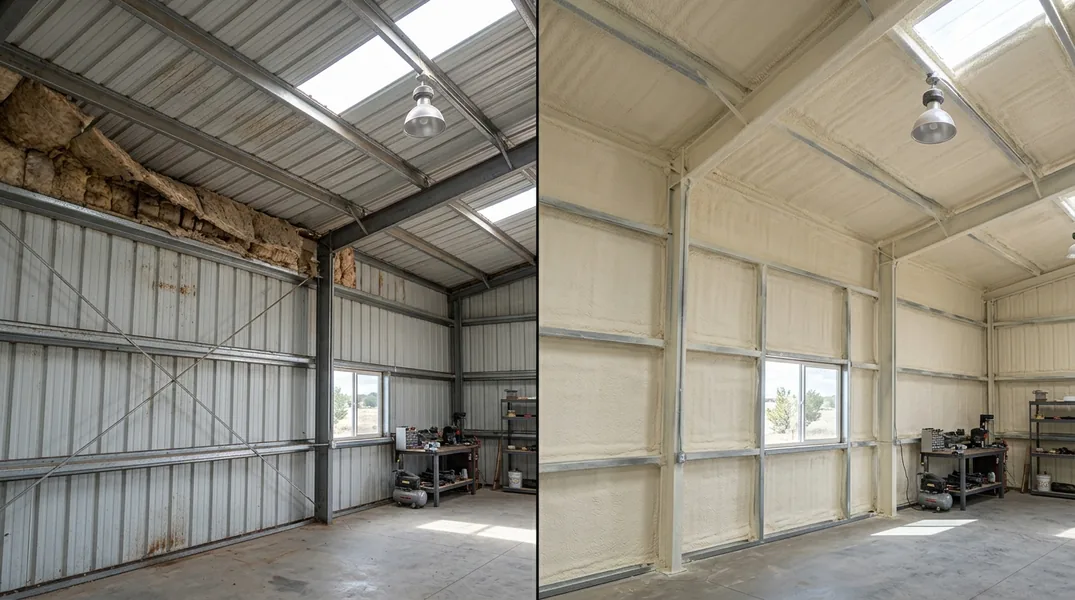
Why Mid-Century Ranches Need Modern Insulation Solutions
Mid-century ranch homes in Wheat Ridge and Arvada have undeniable charm. Their clean lines, open floor plans, and solid construction made them the dream homes of the 1950s and 1960s. However, what made them affordable and quick to build back then has become a significant liability today: their insulation simply doesn't meet modern energy efficiency standards. Most of these homes were built with minimal attic insulation, often just a thin layer of fiberglass batts or nothing at all. As energy costs continue to rise and Denver homeowners become more conscious of their carbon footprint, upgrading attic insulation has become essential.
The problem is that many homeowners don't realize how much heat loss occurs through an under-insulated attic. In Colorado's climate, where winters are cold and summers can be surprisingly warm, an inadequately insulated attic forces your HVAC system to work overtime. This leads to higher utility bills, uneven temperatures throughout your home, and unnecessary strain on your heating and cooling equipment. If you own a mid-century ranch, upgrading your attic insulation isn't just about comfort; it's a smart financial investment that pays for itself through lower energy bills over time.
Spray Foam vs. Blown-In Insulation: Which Performs Better?
When comparing spray foam versus blown-in insulation, the differences are substantial. Blown-in insulation, typically made from cellulose, fiberglass, or mineral wool, is installed by blowing loose fibers into your attic space. While blown-in insulation is less expensive upfront, it has several limitations that become apparent over time. Blown-in materials settle and compress, losing R-value effectiveness as years pass. They also don't seal air leaks, meaning conditioned air continues to escape through gaps and cracks in your attic. Additionally, blown-in insulation can be displaced by air movement and is susceptible to moisture absorption, which reduces its insulating properties and can lead to mold growth in humid conditions.
Attic Spray Foam Insulation, by contrast, expands as it's applied, filling every crack, crevice, and void in your attic space. This creates an air-tight seal that prevents conditioned air from escaping and outside air from infiltrating. Spray foam maintains its R-value for decades without settling or compression. It's also naturally resistant to moisture and won't support mold growth. While spray foam costs more initially, the superior air sealing and long-term performance make it the best insulation for attic applications in mid-century homes where air leakage is typically a major problem.
Spray Foam vs. Fiberglass: Why Modern Homes Choose Spray Foam
Fiberglass batts have been the standard attic insulation for decades, and many homeowners are familiar with them. However, fiberglass has significant drawbacks that spray foam addresses. Fiberglass batts only insulate the space between studs or joists; they do nothing to seal the gaps and air leaks that are inevitable in any home's construction. In a mid-century ranch where framing may have shifted slightly over 60 years, these gaps become even more problematic. Fiberglass also requires careful installation to achieve its rated R-value, and even small gaps or compression reduce effectiveness. Furthermore, fiberglass can absorb moisture, which compromises its insulating ability and creates conditions for mold and mildew.
Spray foam eliminates these problems entirely. When applied professionally, spray foam conforms perfectly to your attic's unique geometry, whether your home has irregular framing, old wiring, or ductwork running through the space. It provides both insulation and air sealing in a single application. Homeowners in Wheat Ridge who have switched from fiberglass to spray foam consistently report lower energy bills and improved comfort. The air sealing alone prevents drafts and hot spots that fiberglass simply cannot address. Additionally, spray foam's durability means you won't need to replace or add insulation for decades, whereas fiberglass typically needs supplementing or replacing every 15 to 20 years.
Spray Foam vs. Cellulose: Performance and Durability Comparison
Cellulose is a blown-in insulation made from recycled paper products and is often marketed as an eco-friendly option. While the environmental aspect appeals to many homeowners, cellulose has performance limitations that matter in Colorado's climate. Cellulose is highly susceptible to moisture absorption, and in a state where humidity levels can fluctuate significantly, this becomes a real concern. Once cellulose absorbs moisture, it loses R-value, becomes heavy, and can sag in attics, creating gaps and reducing coverage. Cellulose also requires chemical treatment to resist fire and pests, and these treatments can degrade over time. The material is also prone to settling, which means your attic insulation gradually becomes less effective year after year.
Spray foam, particularly Closed Cell Spray Foam Insulation, is naturally moisture-resistant and maintains its performance indefinitely. It doesn't settle, sag, or require chemical treatments. If environmental concerns drive your decision, modern spray foam is increasingly manufactured with eco-friendly blowing agents and recycled content. More importantly, spray foam's superior performance means you use less energy to heat and cool your home, resulting in a smaller carbon footprint over the product's lifetime. For mid-century homes in Arvada and surrounding areas, the long-term energy savings and durability of spray foam make it the more sustainable choice, even if cellulose seems greener on the surface.
Best Insulation for Attic in Mid-Century Ranches: Why Spray Foam Wins
After comparing spray foam to blown-in, fiberglass, and cellulose, it's clear that spray foam is the best insulation for attic spaces in older homes. The reason is straightforward: mid-century ranches have unique challenges that only spray foam fully addresses. These homes often have irregular attic spaces, outdated framing, and numerous air leaks that accumulated over decades. Blown-in and fiberglass insulation can't seal these leaks effectively. Spray foam does both: it insulates and seals simultaneously. This dual function is critical in older homes where air leakage is often the biggest source of energy loss.
Another advantage of spray foam is its versatility. Whether you have a finished attic, exposed beams, old ductwork, or challenging corners, spray foam conforms to any shape. It also provides structural support, which can be valuable in older homes where wood framing may have weakened slightly. The air sealing properties of spray foam also improve indoor air quality by preventing outside dust, pollen, and pollutants from entering through attic gaps. For homeowners in Denver concerned about comfort, energy efficiency, and long-term value, spray foam is simply the superior choice.
Attic Spray Foam Insulation Cost in Denver: What to Budget
Understanding pricing for attic spray foam insulation is important for budgeting your home improvement project. Spray foam typically costs more per square foot than blown-in or fiberglass alternatives, usually ranging from $1.50 to $3.00 per board foot depending on the type of spray foam and your attic's complexity. For a typical 1,500 square foot attic, you might expect to invest between $3,000 and $6,000 for professional installation. While this seems significant compared to blown-in insulation at $800 to $1,500, the comparison is misleading because blown-in insulation doesn't provide air sealing and requires replacement sooner.
When calculating true cost, consider the energy savings. Homeowners who upgrade to spray foam insulation typically see 20 to 30 percent reductions in heating and cooling costs, depending on their previous insulation level. In Colorado's climate, these savings add up quickly. Over 10 years, energy bill reductions often exceed the initial installation cost. Additionally, spray foam improves your home's resale value, increases comfort, and reduces HVAC wear and tear. Denver Spray Foam Insulation offers competitive pricing for the region, and we encourage homeowners to request a free estimate to understand the specific costs for their home. Call us at (720) 235-5710 to discuss your project and learn how spray foam insulation can benefit your mid-century ranch.
Getting Started: Attic Spray Foam Insulation Near Me
If you own a mid-century ranch in Wheat Ridge, Arvada, or anywhere in the Denver area and you're ready to upgrade your attic insulation, the first step is connecting with experienced professionals. Denver Spray Foam Insulation specializes in helping homeowners like you understand their options and make the best choice for their homes. We've worked on countless mid-century ranches throughout the region, and we understand the specific challenges these homes present. Our team can assess your current insulation, identify air leaks, and recommend whether Open Cell Spray Foam Insulation or Closed Cell Spray Foam Insulation is best for your situation.
The process is straightforward. Contact us at (720) 235-5710 or visit our website at https://denver-spray-foam.com to schedule your free estimate. During this consultation, we'll inspect your attic, discuss your energy concerns, explain the differences between insulation types, and provide transparent pricing. We're committed to helping Denver homeowners make informed decisions about their homes' energy efficiency. Whether you're motivated by lower utility bills, improved comfort, or protecting your home's value, spray foam insulation is an investment that delivers real, measurable results for mid-century ranches.
Looking for a professional spray foam insulation contractor in Denver? Denver Spray Foam Insulation responds fast for all your spray foam insulation needs.
Get a Free Quote